


Octopus Fleet launches to help businesses make the switch to electric vehicles

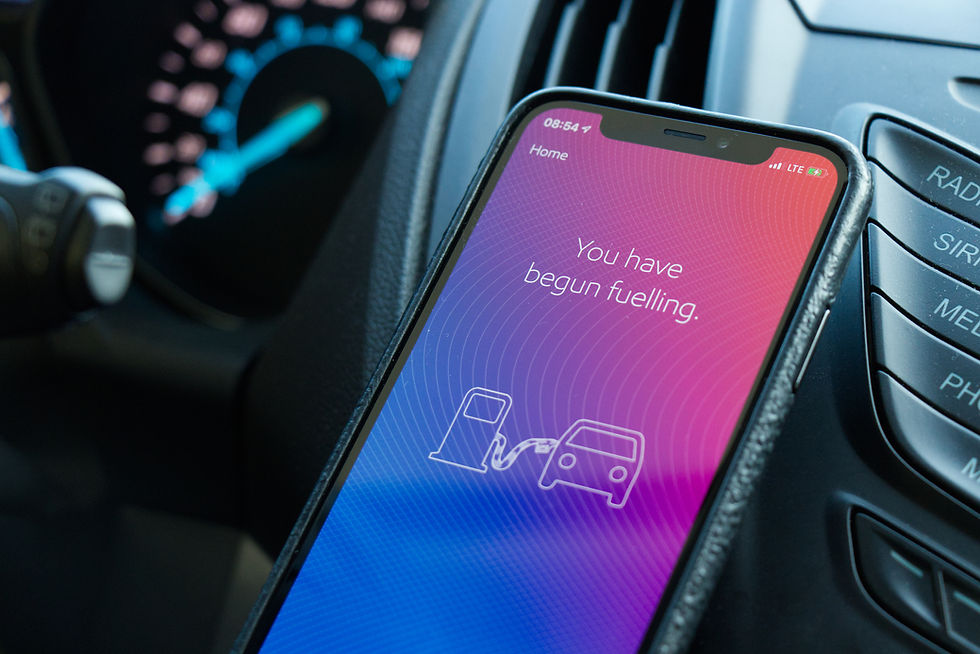
Octopus Energy has launched a new service designed to make it easier for businesses to move their fleets over to electric vehicles, as more companies look to cut emissions and manage rising fuel costs.
Called Octopus Fleet, the new offering brings together charging, payments and energy solutions in one place, aiming to remove some of the practical barriers that often slow down fleet electrification.
The service is aimed at businesses at all stages of the transition, from those trialling their first electric vans to operators managing larger mixed fleets.
One of the biggest challenges for many fleets has been the complexity of charging. Vehicles may need to charge at depots, on the public network and at drivers’ homes, each with different costs and administrative requirements.
Octopus Fleet attempts to simplify this by offering a single package that covers public charging access, home and workplace charging, and the supporting energy tariffs behind them.
At the centre of the service is Octopus Electroverse, which gives fleet drivers access to a large public charging network through a single platform. This allows businesses to track charging activity and costs more easily, rather than dealing with multiple charging providers and invoices.
For fleet managers, the aim is to improve visibility and control over charging costs as electric vehicle numbers grow.
Octopus has also introduced a home charging reimbursement scheme as part of the launch. This is designed to address a common fleet concern: how to fairly reimburse drivers who charge company vehicles at home.
Under the system, drivers can indicate whether a charging session is for business or personal use, with business charging automatically reimbursed through their energy account. This removes the need for manual expense claims and helps fleets maintain clearer records.
Payment and cost management are also a key part of the offer. Octopus Fleet includes fleet payment tools that bring together charging costs and other everyday fleet expenses, such as travel and vehicle-related purchases. By consolidating these costs into a single platform, Octopus says businesses can reduce administration time and gain a clearer picture of total fleet running costs.
The launch comes at a time when interest in electric fleets continues to grow, but many businesses remain cautious. Concerns around charging availability, upfront investment and operational disruption still slow adoption, particularly for fleets with varied vehicle types or dispersed drivers.
Services that focus on simplifying day-to-day operations, rather than just vehicle supply, are increasingly seen as essential to accelerating the transition.
Speaking about the launch, Octopus said the goal of Octopus Fleet is to make electrification practical rather than complicated. By offering flexible, modular solutions, businesses can choose what works for their specific operation and scale up over time, rather than committing to a single, rigid system from the outset.
For fleet operators, the launch highlights a broader shift in the market. Electrification is no longer just about choosing the right vehicle; it now involves energy management, charging strategy and driver experience.
As more providers enter this space, businesses may find it easier to build an electric fleet that fits their operational needs without adding unnecessary complexity.


Comments