


“Pothole Pandemic” Plagues UK Drivers

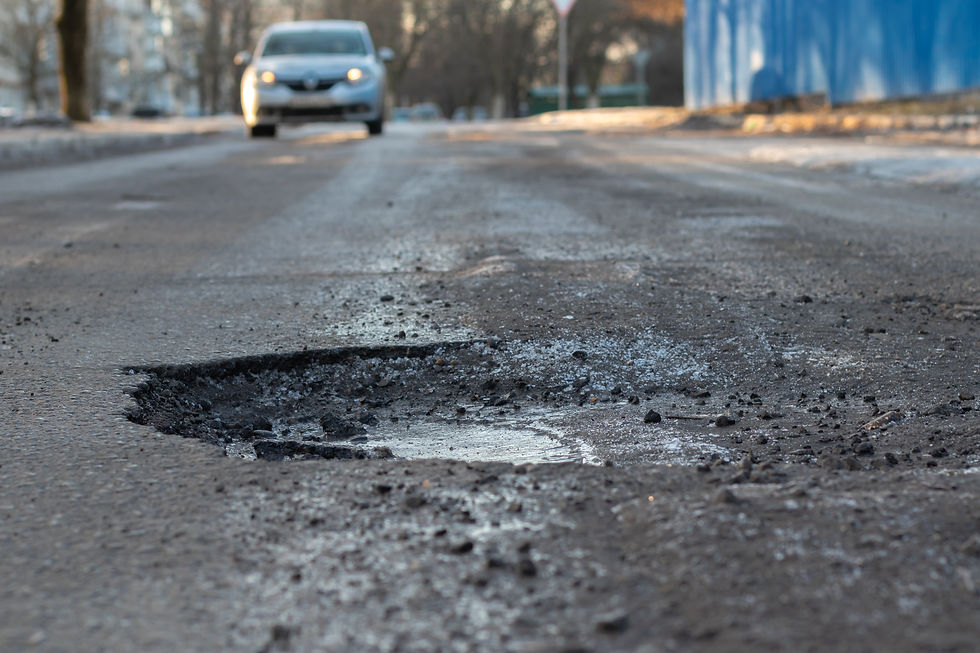
If it feels like you’re dodging more potholes than ever, you’re not imagining it.
According to the RAC, there are over one million potholes on UK roads at any given time with drivers encountering an average of six potholes per mile on council‑controlled roads.
It’s a figure that’s led some to describe the issue as a “pothole pandemic” — and for motorists, fleet operators and businesses, it’s quickly becoming one of the most common and costly risks on the road.
Unlike major accidents or breakdowns, potholes are easy to overlook — until they cause damage.
They’re often hidden by rainwater, appear overnight during colder months, or develop gradually as roads deteriorate under pressure from traffic and weather.
The UK’s mix of wet conditions and busy routes makes it particularly vulnerable to this problem.
And with such a high number of defects spread across the road network, avoiding them isn’t always possible.
Potholes are more than just a nuisance — they’re one of the leading causes of vehicle damage in the UK.
Even relatively small potholes can lead to punctured tyres, bent wheels, suspension damage, and steering alignment issues.
In more serious cases, they can cause breakdowns or leave vehicles temporarily off the road. Recent data shows the RAC has attended thousands of pothole-related breakdowns each year highlighting just how widespread the issue has become.
For businesses, especially those operating fleets, the impact can go further with unexpected repair bills, missed deliveries or appointments, and higher long-term maintenance costs.
As damage increases, so too do insurance claims. Potholes are now contributing to a steady rise in motor claims, with insurers reporting higher volumes as well as increasing costs.
Despite ongoing funding for road maintenance, the pothole issue persists.
One of the key challenges is how roads are maintained. Many local authorities rely on reactive repairs — fixing potholes after they appear — rather than proactive maintenance that could stop them forming in the first place.
The result is a problem that continues to grow year after year.
From rising repair costs to increased insurance claims and operational disruption, the impact is being felt across the board — from individual motorists to large commercial fleets.
And with over a million potholes already on the road, it’s clear that this isn’t a short-term issue.
For businesses, the key takeaway is simple: road condition is now a risk factor — and one that needs to be taken seriously.


Comments