


The Threat Facing Drivers This Summer Isn't Traffic

Sinkholes, melting roads, dried-up canals, railway delays, engine failures and wildfire warnings.
It sounds like the plot of a Hollywood disaster movie. Instead, it's becoming an increasingly familiar feature of the British summer.
The UK has spent much of 2026 battling a combination of extreme heat and prolonged drought, creating problems that many people would normally associate with far hotter parts of the world.
Temperatures have pushed towards the high 30s Celsius, drought has spread across large parts of England, and infrastructure designed for a cooler climate is beginning to show the strain.
For motorists, the effects are becoming hard to ignore.
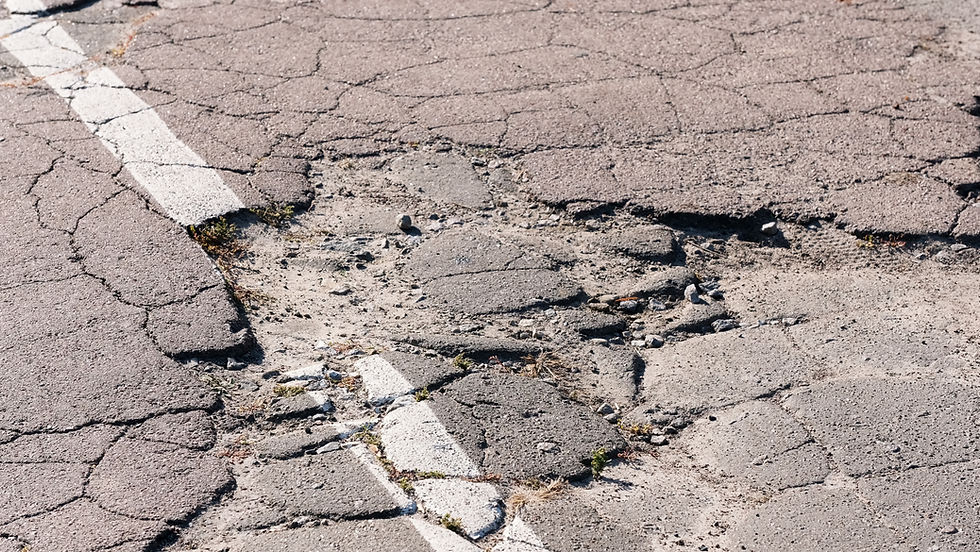
Britain's road network was never built with repeated heatwaves in mind. As temperatures rise, tarmac can soften, road surfaces can deform, and expansion in materials can create cracks and defects.
The RAC has already reported a significant increase in some summer breakdown callouts, with overheating engines and tyre failures becoming more common during the prolonged hot weather.
Anyone who has driven through rural Britain recently may have noticed another problem.
After months of dry conditions, the ground beneath roads can shrink and shift. When rain eventually returns, the expansion and contraction of soil can cause further damage, worsening cracks and potholes that are already costing motorists millions every year.
And the problems aren’t confined to roads.
Rail operators have repeatedly warned that extreme heat can affect tracks and embankments.
According to reports, prolonged drought has caused soil shrinkage in some areas, creating safety concerns around railway infrastructure and resulting in speed restrictions and disruption.
At the same time, transport operators have warned that many parts of the UK's transport network were not designed to cope with temperatures approaching 38°C.
The drought itself is no longer a localised issue. Government reports show large areas of England are now under drought status following one of the driest periods on record. Reservoir levels have fallen sharply, rivers are running low, and millions of people face restrictions on water use.
Perhaps most remarkable is how quickly these conditions have developed.
Climate researchers describe the UK's recent weather pattern as "climate whiplash", where periods of drought and heat intensify one another. Dry ground heats up more quickly, which in turn worsens heatwaves, creating a cycle that puts additional pressure on infrastructure, agriculture and water supplies.
The consequences stretch far beyond transport.
Canals have been forced to close because of low water levels, farmers are reporting reduced yields, and wildfire incidents have risen sharply during the prolonged dry spell.
Government agencies have warned that drought conditions can have long-lasting impacts on the economy, environment and public services.
For construction companies and fleet operators, these developments carry practical implications. Higher temperatures can increase wear on tyres, cooling systems and road surfaces.
Delays caused by infrastructure disruption can affect project schedules, deliveries and operating costs. Businesses that rely on vehicles every day may find that weather resilience becomes an increasingly important part of fleet planning.
What's particularly striking is that none of these issues are isolated incidents. They are all connected by the same underlying challenge: infrastructure built for one climate now being tested by another.
Britain is hardly turning into the Sahara, but a summer of drought declarations, extreme heat warnings, transport disruption and infrastructure strain is forcing a difficult conversation about whether roads, railways and public services are prepared for a future where these conditions become more common.


Comments